
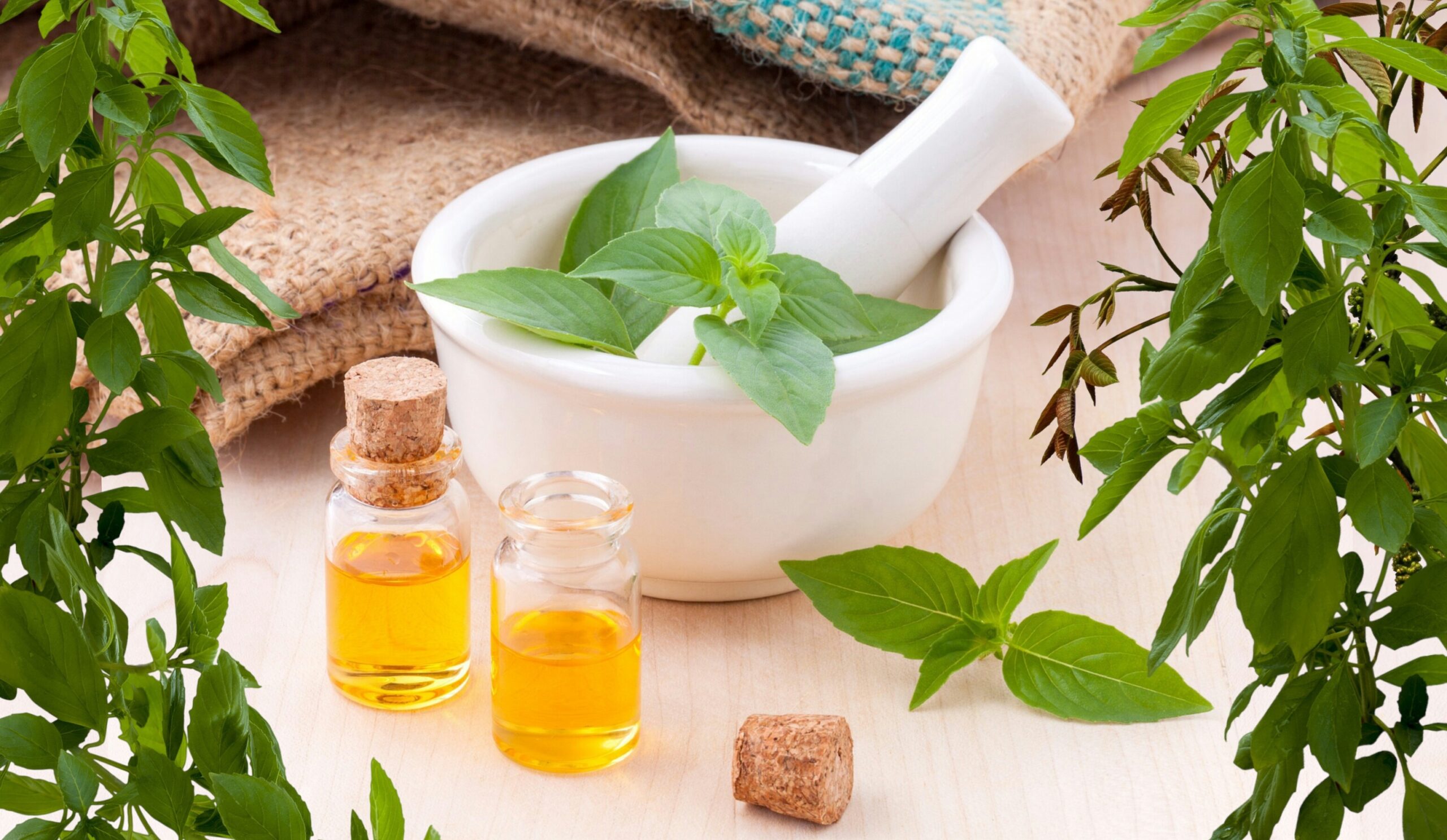
In a world dominated by fast-paced routines and synthetic solutions, many people are rediscovering the value of a herbal lifestyle. Rooted in tradition and guided by nature, a herbal lifestyle emphasizes the mindful use of plants in daily life to support overall wellness, balance, and simplicity. It is not about rejecting modern medicine, but about complementing everyday living with natural habits inspired by herbs.
A herbal lifestyle encourages awareness of what we consume, how we care for our bodies, and how we connect with nature. From food and self-care to home environments and daily rituals, herbs play a meaningful role in creating a balanced and conscious way of living.
Understanding the Herbal Lifestyle
A herbal lifestyle is a way of living that incorporates herbs into everyday routines for general wellness and mindfulness. It includes using herbs in cooking, beverages, self-care practices, and home environments. This lifestyle is often influenced by traditional knowledge passed down through generations, as well as modern interest in natural and sustainable living.
Rather than focusing on treatment, a herbal lifestyle supports prevention, balance, and well-being. It encourages listening to the body, maintaining healthy routines, and respecting natural rhythms.
Herbal Nutrition and Daily Diet
One of the most important aspects of a herbal lifestyle is nutrition. Many herbs are also culinary ingredients that enhance flavor while supporting balanced eating habits.
Using Herbs in Everyday Meals
Herbs such as basil, mint, coriander, ginger, turmeric, and rosemary are commonly used in daily cooking. They add aroma, taste, and variety to meals while encouraging mindful eating.
Fresh herbs can be added to:
- Soups and stews
- Salads and dressings
- Rice and grain dishes
- Herbal teas and warm drinks
Including herbs in meals helps reduce reliance on artificial flavorings and promotes a closer connection to natural foods.
Herbal Drinks and Wellness Beverages
Herbal beverages are a simple and gentle way to include herbs in daily life. Herbal teas and infused waters are commonly enjoyed across cultures.
Popular herbal drinks include:
- Herbal teas made from leaves, flowers, or roots
- Warm infusions for relaxation
- Light herbal drinks for hydration
These beverages encourage calm moments in the day and support healthy hydration habits.
Herbal Self-Care and Personal Wellness
A herbal lifestyle often includes natural self-care practices that focus on relaxation, comfort, and routine.
Herbal Skin and Body Care
Herbs are frequently used in personal care routines such as:
- Herbal-infused oils
- Natural scrubs and masks
- Herbal baths or foot soaks
These practices promote mindfulness and help create a calming self-care experience without harsh ingredients.
Herbal Relaxation Practices
Many people use herbs as part of relaxation rituals, such as evening teas or soothing aromas. These routines support mental balance, stress reduction, and restful habits.
Creating a Herbal Home Environment
A herbal lifestyle extends beyond the body into the home. Herbs can be used to create a peaceful and refreshing living space.
Ways to incorporate herbs at home include:
- Growing herbs in small pots or gardens
- Using dried herbs for natural fragrance
- Keeping herbal sachets in living areas
These simple practices connect daily life with nature and promote a calming atmosphere.
Mindfulness and Herbal Living
At its core, a herbal lifestyle is closely linked with mindfulness. Preparing herbal teas, cooking with fresh herbs, or caring for plants encourages people to slow down and be present.
This mindful approach helps reduce stress and promotes awareness of daily habits. Herbal living is not about perfection but about intention—choosing natural, thoughtful practices whenever possible.
Sustainability and Herbal Lifestyle
Herbal living also supports environmental awareness. Growing herbs at home reduces packaging waste and encourages sustainable practices. Many herbs are easy to grow and require minimal resources.
A sustainable herbal lifestyle includes:
- Responsible use of natural resources
- Avoiding overharvesting
- Choosing eco-friendly products
- Respecting plant diversity
This connection to sustainability helps protect both personal health and the environment.
Cultural Roots of Herbal Living
Herbal lifestyles are deeply rooted in cultural traditions across the world. Many communities have long relied on herbs as part of daily life, food, and rituals. This knowledge has been passed down through stories, practices, and local wisdom.
By embracing a herbal lifestyle, people also honor cultural heritage and traditional knowledge while adapting it to modern living.
Safety and Responsible Herbal Use
While herbs are natural, responsible use is essential. A herbal lifestyle focuses on common, well-known herbs used in food and daily wellness rather than unfamiliar or strong preparations.
Important principles include:
- Using herbs in moderation
- Learning about herbs before use
- Avoiding unsafe combinations
- Understanding that herbal living supports wellness, not medical treatment
Professional guidance should always be sought for health concerns.
Benefits of a Herbal Lifestyle
Adopting a herbal lifestyle offers many benefits:
- Encourages healthier daily habits
- Promotes mindfulness and balance
- Supports sustainable living
- Strengthens connection with nature
- Enhances appreciation for traditional knowledge
These benefits develop gradually through consistent, thoughtful practices.
The Future of Herbal Lifestyle
As people seek more natural and meaningful ways of living, interest in herbal lifestyles continues to grow. Education, research, and sustainable practices are shaping how herbs are used in modern life.
Digital platforms, community gardens, and wellness education are making herbal living more accessible to new generations while preserving traditional wisdom.
Conclusion: Living Naturally with Herbs
A herbal lifestyle is not about drastic changes or strict rules. It is about choosing simplicity, balance, and mindfulness in everyday life. By incorporating herbs into meals, self-care routines, and home environments, individuals can support overall wellness while staying connected to nature.
Herbal living encourages respect for the natural world and awareness of daily choices. In a fast-moving modern world, it offers a gentle reminder that well-being often begins with simple, natural habits—one herb, one moment, and one mindful choice at a time.