
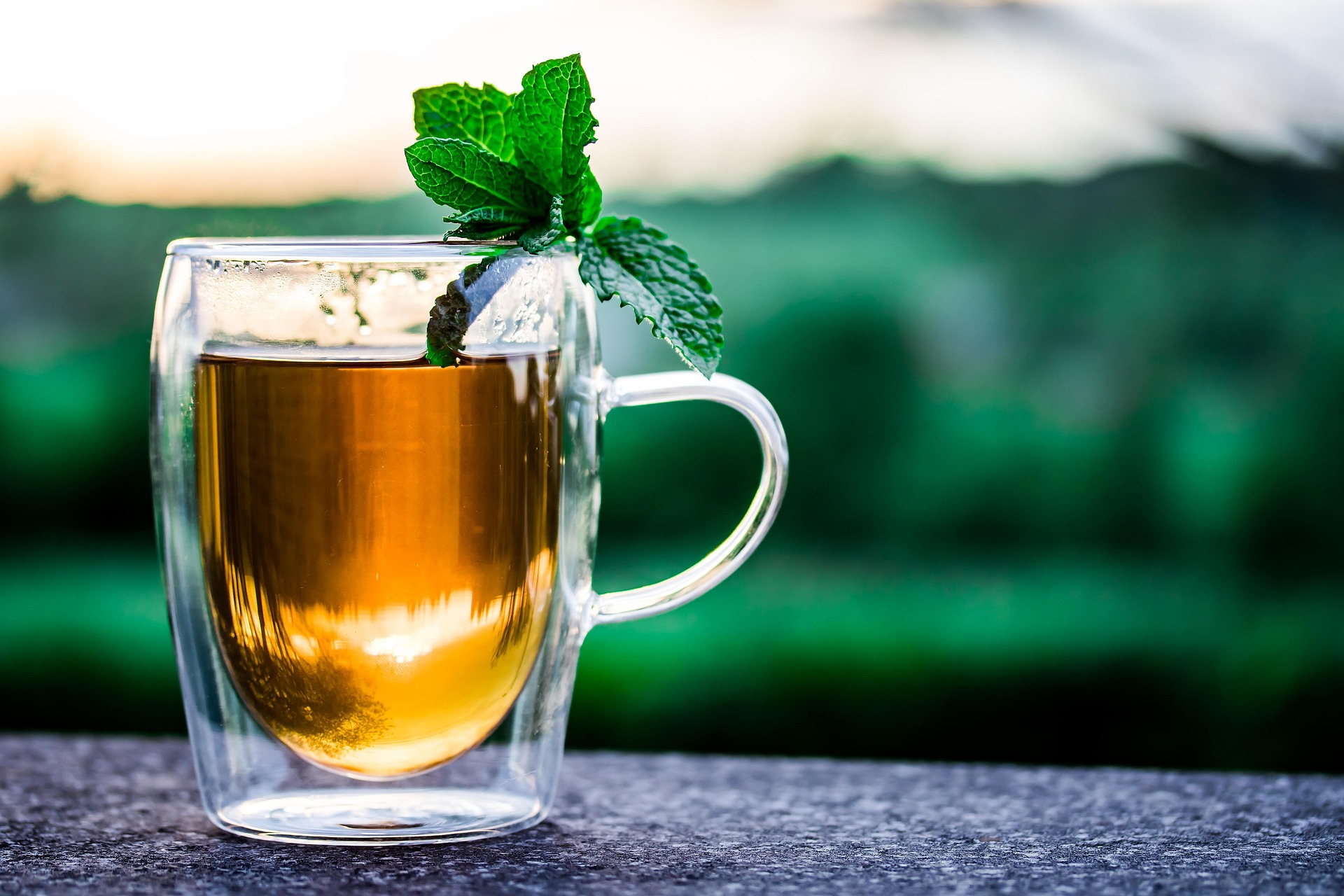
For thousands of years, humans have turned to plants for health and healing. Long before modern medicine, herbal remedies were used across cultures to support well-being, comfort the body, and maintain balance. Even today, herbal remedies continue to play an important role in daily wellness routines, cultural traditions, and natural lifestyles.
Herbal remedies are not meant to replace professional medical care, but they are widely valued for supporting general health, relaxation, and everyday wellness when used responsibly. This article explores what herbal remedies are, how they are used, their benefits, and the importance of safe and informed practices.
What Are Herbal Remedies?
Herbal remedies are preparations made from plants or plant parts such as leaves, roots, flowers, seeds, or bark. These remedies may be used in various forms, including teas, powders, oils, or pastes. Different cultures have developed their own herbal traditions, including Ayurveda, Traditional Chinese Medicine, and Indigenous healing systems.
Herbal remedies are typically used to support natural body processes, promote relaxation, aid digestion, or maintain seasonal wellness. Their effectiveness often comes from naturally occurring compounds found in plants.
A Brief History of Herbal Medicine
The use of herbs for health dates back thousands of years. Ancient civilizations such as those in Egypt, China, India, and Greece documented the use of plants for wellness. Many modern medicines are inspired by or derived from plant-based compounds first discovered through traditional herbal use.
For example, early healers relied on observation and experience to understand how plants interacted with the body. Over time, this knowledge was passed down through generations and preserved in texts, folklore, and cultural practices.
Common Types of Herbal Remedies
Herbal remedies come in many forms, depending on how the plant is prepared and used.
Herbal Teas and Infusions
Herbal teas are one of the most common and gentle ways to use herbs. Leaves or flowers are steeped in hot water to release natural compounds. These teas are often used to support relaxation, hydration, or digestion.
Herbal Powders and Capsules
Dried herbs may be ground into powders or placed into capsules. This form allows for easier storage and consistent use, especially in traditional wellness routines.
Herbal Oils and Balms
Some herbs are infused into oils and used externally. These preparations are often part of self-care routines such as massage or skin care.
Fresh Herbs in Daily Diet
Many culinary herbs, such as basil, mint, and ginger, are also used as herbal remedies. Including them in meals supports both flavor and general wellness.
Popular Herbs and Their Traditional Uses
Different herbs have been traditionally used for various wellness purposes. Below are a few commonly known herbs and how they are traditionally used:
- Ginger: Often used in teas or meals to support digestion and warmth
- Mint: Commonly used for freshness and digestive comfort
- Chamomile: Traditionally associated with relaxation and calming routines
- Turmeric: Used in cooking and wellness drinks as part of balanced diets
- Aloe vera: Commonly used externally for skin care
These herbs are widely recognized for their gentle and supportive nature when used appropriately.
Benefits of Herbal Remedies
Herbal remedies are valued for several reasons:
- They encourage a natural approach to wellness
- Many herbs are easy to grow or access
- They support mindful and preventive health habits
- Herbal practices connect people to cultural traditions
- They promote awareness of natural ingredients
Herbal remedies also encourage individuals to take an active role in their daily well-being through simple, intentional practices.
Herbal Remedies and Modern Science
Modern research continues to study herbs to better understand their properties and how they interact with the body. While some herbs have been scientifically studied, others are still being researched.
It is important to note that natural does not always mean risk-free. The effectiveness and safety of herbal remedies depend on correct identification, preparation, and responsible use.
Safety and Responsible Use of Herbal Remedies
Using herbal remedies safely is essential. While herbs are natural, they can still cause unwanted effects if misused.
Key safety guidelines include:
- Use herbs that are clearly identified and commonly known
- Avoid mixing multiple herbs without proper knowledge
- Start with small amounts
- Be cautious with allergies or sensitivities
- Do not use herbal remedies as substitutes for medical treatment
For ongoing health concerns, professional advice should always be prioritized.
Herbal Remedies in Daily Life
Herbal remedies can be easily incorporated into daily routines. Simple practices such as drinking herbal tea, using fresh herbs in cooking, or practicing herbal-based self-care rituals promote consistency and balance.
These practices also encourage slowing down and being mindful—an important aspect of overall wellness in today’s busy world.
Cultural and Environmental Importance of Herbs
Herbs are deeply connected to culture, tradition, and nature. Many communities preserve herbal knowledge as part of their heritage. Sustainable harvesting and responsible cultivation help protect plant species and ecosystems.
Growing herbs at home also supports environmental awareness and a stronger connection to nature.
The Future of Herbal Remedies
Interest in herbal remedies continues to grow as people seek natural, sustainable, and holistic wellness approaches. Educational resources, research, and responsibly produced herbal products are shaping the future of this field.
Combining traditional wisdom with modern scientific understanding may help create balanced wellness practices that respect both nature and health.
Conclusion: Embracing Nature’s Wisdom
Herbal remedies represent humanity’s long-standing relationship with nature. They remind us that plants have always played a role in supporting wellness, comfort, and balance. While they are not replacements for medical care, herbal remedies can be valuable additions to mindful, everyday health routines.
By learning about herbs, using them responsibly, and respecting their cultural and environmental significance, individuals can embrace a natural approach to wellness that is both meaningful and sustainable. In a world of rapid change, herbal remedies offer a gentle reminder that sometimes, the simplest solutions come from nature itself.